HOW THE DRUG WORKS · WHAT WOMEN REPORTED
PT-141 Research: What Changed for Women
The drug begins with the brain. This page starts with Phase 3, the large final studies, then covers animal work and what remains unknown.
What the strongest studies found first
PT-141 begins its known work in brain areas, not in blood vessels. During sexual pictures, scans found stronger links among regions tied to desire [5].
Two large studies enrolled women who still had monthly periods. Average desire rose while distress eased, though both changes were small [3].
You will first see what happened to women. The rest explains the animal work and questions that remain unanswered.
How PT-141 works in the brain
PT-141 first works at brain sites linked with desire [1], and the drug may free dopamine there, a chemical that plays a part in wanting [3].
Sildenafil and tadalafil are blood-flow medicines known as PDE-5 drugs. They increase blood flow into the penis. The study drug begins with desire instead [1].
Animal tests found some brain cells became busier after PT-141 [1]. That backs a brain effect, but an animal test cannot give a woman's own experience.
In 2025, researchers gave bremelanotide to female Syrian hamsters. It didn't raise sexual reward or change the amount of the brain switch they measured [13].
For PT-141, that hamster result points away from one common reward center. It does not erase the desire changes in women or brain changes in other animals.
What this brain-acting drug changes in the body
The drug turns on certain switches in body cells. Five related switches help govern sexual interest, appetite, and skin color [8].
PT-141 acts most on two switches in the brain [1]. One also helps control appetite. Frequent-dose research found less food intake and lower weight, but did not prove a weight-loss use [6].
Another switch helps set skin color. For your safety, the next page covers heart and blood-pressure trouble plus darker skin or mouth tissue.
The useful point is simple. A desire drug may also affect your hunger, skin color, and other body functions [8].
What changed most in the largest trials
Two Phase 3 studies, the last major trials before approval, included 1,267 women who had not gone through menopause. For 24 weeks, they used a 1.75 mg shot below the skin as needed [3].
A placebo is a matching shot without medicine; some women received one. Average desire in the drug group rose 0.35 points more than in the placebo group [3].
Question 13 asked how strongly each woman felt bothered by low desire. Average distress in the drug group improved 0.33 points more than with placebo.
The paper gave P<.001 for desire and P<.001 for distress; each means random luck was very unlikely. Neither tells you whether a woman would feel a meaningful change.
These were shifts on study forms, not a count of added sexual events. For you, the point gaps give the clearer view of size.
Reviews from 2021 and 2024 also called the gains small. They asked whether the forms caught changes that truly mattered to women [10].
Another review set the scores beside women's own accounts [11]. Some women felt better, but a large change was not usual.
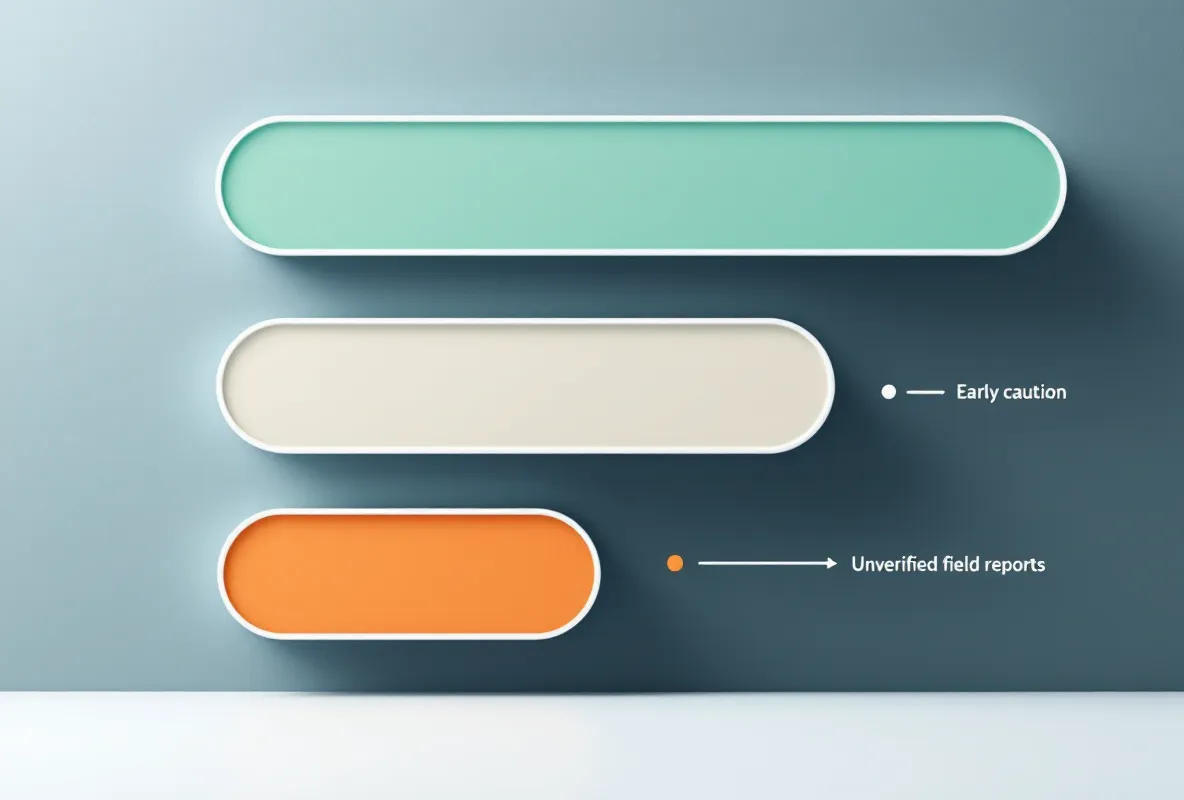
What the brain scans showed and what they could not prove
The scans included 31 women who had not gone through menopause. Each woman got both the medicine and placebo at different times, without knowing which was which [5].
At some points, desire stayed higher for 24 hours. During sexual pictures, regions tied to emotion and body awareness formed stronger links.
These scans showed part of the drug's effect in people [1][5]. They agree with animal findings but cannot prove every step in the brain.
The blood amount declines within hours, as the PT-141 half-life page explains. Yet the added desire in this study lasted much longer [5][6].
What the FDA approved and what studies still cannot answer
In June 2019, bremelanotide gained approval in the United States. Certain women with low desire fall within the label, which lists a 1.75 mg shot used when needed [7].
Later reviews discussed sexual problems affecting either sex [8]. They also weighed the large trials, side effects, and the drug's possible place in care [9][10][12].
Two reviews from 2025 looked at newer care for women's sexual trouble [14][15]. Those reviews don't make any use outside the label approved.
Proof is strongest for the one approved group and use. You can trace each figure through the cited studies.